The Right to Manage
The Right to Manage (RTM) is a legal right in England and Wales that allows Leaseholders to take over the management of their building from the landlord — without having to prove mismanagement. It was introduced under the Commonhold and Leasehold Reform Act 2002 to empower leaseholders and improve transparency and control over service charges, maintenance, and building upkeep.
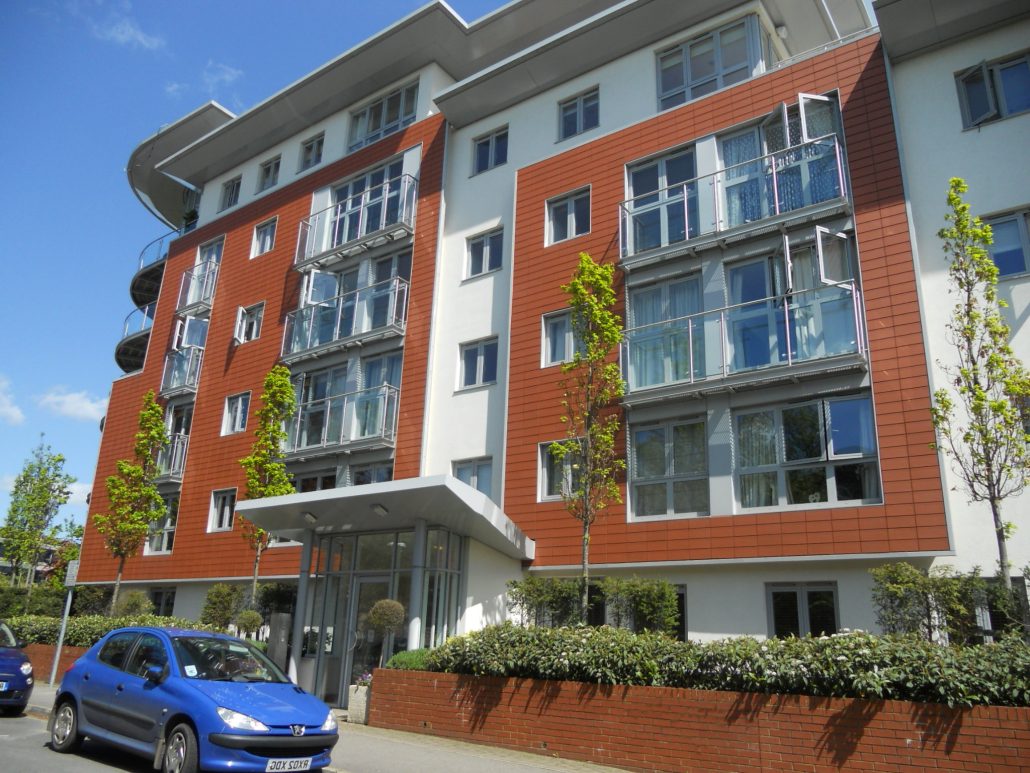
What does RTM actually mean?
If leaseholders exercise the Right to Manage, they form an RTM company that takes over responsibilities such as:
- Appointing managing agents
- Organising repairs and maintenance
- Setting service charges
- Managing utility contracts
Who can use RTM?
To qualify:
- The building must be self-contained with at least two flats
- At least two-thirds of the flats must be leasehold (not rented)
- At least half of the leaseholders must want to participate
- The building must not be a local authority property
How is RTM exercised?
Step 1: Form an RTM Company
- Must be a limited company with leaseholders as members
Step 2: Serve a Notice of Invitation
- Sent to all qualifying Leaseholders inviting them to join
Step 3: Serve a Claim Notice
- Sent to the Landlord/Freeholder stating the RTM company’s intention to take over management
Step 4: Wait for Response
- Landlord has one month to respond
- If they object, it may go to a tribunal
Step 5: Take Over Management
- After three months, the RTM company assumes control unless the claim is disputed
Common challenges
- Legal and procedural errors in notices
- Disputes with landlords over eligibility
- Lack of leaseholder engagement or understanding
- Managing the building effectively post-transfer
Why leaseholders choose RTM
- To reduce service charges
- To improve transparency and accountability
- To appoint better managing agents
- To gain control over decisions affecting their homes